Introduction: Why Every Independent Real Estate Contractor Needs a CRM
Hello there, fellow real estate entrepreneur! Are you an independent real estate contractor, a solo agent, or part of a small, agile team, always on the go, juggling leads, listings, and client relationships? If so, you know the grind is real. The real estate market is dynamic, competitive, and constantly evolving, demanding your full attention at all times. But what if there was a way to make that grind a whole lot smoother, more efficient, and ultimately, more profitable? What if you could spend less time buried in administrative tasks and more time doing what you do best: closing deals and building lasting client relationships?
That’s precisely where a robust Customer Relationship Management (CRM) system steps in. For independent real estate contractors, a CRM isn’t just a fancy piece of software; it’s a foundational tool, a virtual assistant, and a strategic partner rolled into one. It’s the difference between merely surviving in a competitive market and truly thriving, scaling your business, and creating a sustainable legacy. This comprehensive guide is designed to peel back the layers, demystify CRM, and show you exactly why it’s not just an option, but an absolute necessity for your independent real estate venture.
Understanding CRM: More Than Just a Contact List for Real Estate Agents
Let’s begin by defining what a CRM truly is, especially in the context of independent real estate contractors. At its core, CRM stands for Customer Relationship Management. But don’t let the simple acronym fool you; its capabilities are anything but simple. In the real estate world, a CRM is a centralized system designed to manage all interactions and relationships with your clients and potential clients (leads). It’s a sophisticated database that goes far beyond a simple spreadsheet or a Rolodex.
Think of it as the brain of your real estate business. It stores contact information, yes, but it also tracks every email you’ve sent, every phone call you’ve made, every property a client has viewed, every note you’ve jotted down about their preferences, and every stage they’re at in their home buying or selling journey. For an independent contractor, who often doesn’t have the luxury of a large administrative team, this consolidation of information is invaluable. It ensures that no lead falls through the cracks, no client feels forgotten, and every interaction is informed and personalized.
The Unique Challenges Faced by Independent Real Estate Contractors
Being an independent real estate contractor comes with unparalleled freedom and the immense satisfaction of building something of your own. However, it also presents a unique set of challenges that can quickly overwhelm even the most dedicated professional. You are, quite literally, wearing multiple hats: marketer, salesperson, negotiator, administrator, client service representative, and often, IT support. This multifaceted role means your time is stretched thin, and every minute counts.
Without a structured system, managing dozens or even hundreds of leads and active clients can become a logistical nightmare. Remembering who you last spoke to, what their specific needs are, when to follow up, and which properties are suitable for them, all while prospecting for new business, is a superhuman feat. This often leads to missed opportunities, inconsistent follow-ups, and a fragmented client experience, directly impacting your bottom line and your reputation. A CRM system specifically tailored for independent real estate contractors acts as your operational backbone, addressing these challenges head-on and empowering you to maintain control and deliver exceptional service.
Why Independent Contractors NEED a CRM: Beyond Basic Organization
So, beyond just being a digital Rolodex, why is a CRM an absolute non-negotiable for independent real estate contractors? The answer lies in its ability to transform how you operate, not just organize. Firstly, it provides unparalleled consistency. In real estate, consistency in follow-up and communication is paramount. A lead nurtured consistently is far more likely to convert than one contacted sporadically. A CRM ensures you never miss a beat, automating reminders and even sending pre-scheduled communications on your behalf.
Secondly, it elevates your professionalism. When every interaction is informed by a complete client history, you demonstrate a level of attentiveness and personalization that builds trust and loyalty. Clients feel valued when you remember their specific preferences, their children’s names, or the anniversary of their home purchase. This level of detail is impossible to maintain manually when dealing with a significant client base, but effortless with a well-utilized CRM. Ultimately, a CRM isn’t just about managing data; it’s about managing relationships in a way that fuels growth and ensures client satisfaction, freeing you up to focus on the strategic aspects of your business.
Key Features of a Real Estate CRM: What to Look For in Your System
When you’re evaluating CRM solutions as an independent real estate contractor, it’s crucial to understand the core features that will genuinely impact your daily operations and long-term success. Not all CRMs are created equal, and some are far better suited for the unique demands of real estate than others. The fundamental elements you should be seeking revolve around comprehensive contact management, intuitive lead tracking, streamlined transaction management, powerful task automation, and robust communication tools.
A top-tier real estate CRM will offer a detailed contact database where you can store not just names and numbers, but also extensive notes, communication history, property preferences, family details, and even social media profiles. It will provide a visual pipeline for lead tracking, allowing you to see at a glance where each prospect is in their journey – from initial inquiry to closing. Transaction management features are critical, helping you navigate the complexities of contracts, deadlines, and required documents. Furthermore, automation capabilities for repetitive tasks and integrated communication tools, like email and SMS, are paramount for efficiency and consistent client engagement.
CRM for Lead Generation & Nurturing: Transforming Prospects into Clients
One of the most powerful ways a CRM empowers independent real estate contractors is through its ability to revolutionize lead generation and nurturing. In a competitive market, simply acquiring leads isn’t enough; you need a systematic approach to convert them into loyal clients. A real estate CRM serves as your central hub for all lead sources, whether they come from your website, social media, open houses, or referrals. It allows you to automatically capture lead information and assign them to specific campaigns or follow-up sequences.
Beyond capture, the true magic lies in lead nurturing. Your CRM can automate drip email campaigns, sending out valuable content, market updates, or property suggestions tailored to each lead’s profile. It can remind you to make a timely phone call, schedule a personalized property tour, or send a follow-up text. By segmenting your leads based on their interests, timelines, and demographics, your CRM ensures that every communication is relevant and impactful, increasing the likelihood of conversion. This systematic nurturing process ensures that no valuable lead is overlooked or allowed to cool off, providing a consistent stream of potential business.
Streamlining Real Estate Transaction Management Software: From Offer to Close
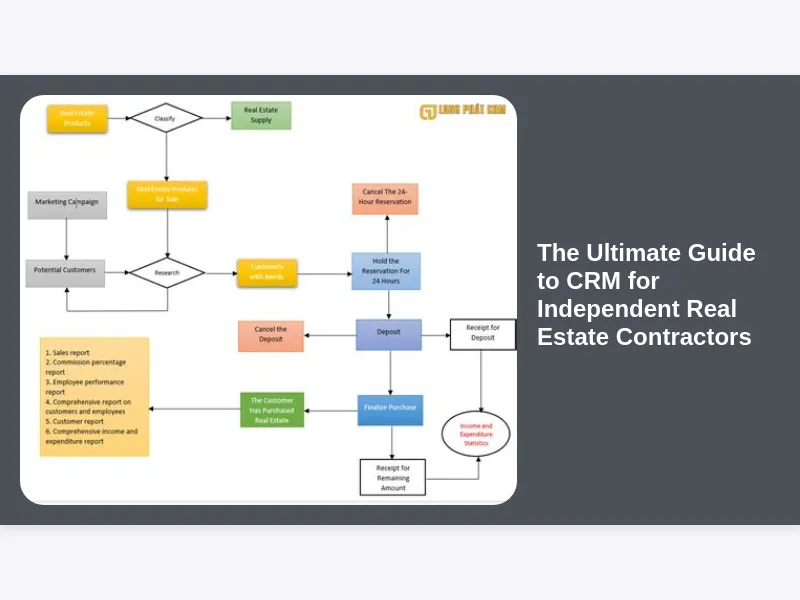
For independent real estate contractors, the transaction process can be a labyrinth of deadlines, documents, and multiple stakeholders. From the initial offer to the final closing, there are countless steps that need to be managed precisely and efficiently. This is where a specialized real estate CRM, featuring integrated transaction management software, becomes an indispensable asset. It transforms what could be a chaotic period into a smooth, organized workflow, minimizing stress and maximizing your focus on client satisfaction.
Imagine a system where all transaction-related documents – contracts, disclosures, inspection reports, loan applications – are stored securely and accessible in one place. Your CRM can provide checklists for each stage of the transaction, ensuring that nothing is missed, from earnest money deposits to final walk-throughs. It can automate reminders for key dates like contingency deadlines, closing dates, and document submission requirements. This not only reduces the risk of errors and omissions but also allows you to provide transparent updates to your clients, keeping them informed and confident throughout what is often one of the most significant financial decisions of their lives.
Automating Real Estate Marketing & Communications: Personalized Outreach at Scale
In today’s digital age, effective marketing and consistent communication are non-negotiable for independent real estate contractors looking to stand out. However, manually sending personalized emails, managing social media posts, and remembering every client’s unique preferences can consume an enormous amount of time. This is where the marketing automation capabilities of a real estate CRM truly shine, allowing you to execute sophisticated campaigns and maintain personal connections at scale.
Your CRM can be programmed to send out automated email newsletters with market updates, new listings, or helpful homeownership tips to segmented audiences. It can trigger personalized birthday greetings or home anniversary messages, fostering long-term relationships. Drip campaigns can be set up for different lead types – first-time buyers, sellers, investors – delivering tailored content at optimal intervals. Furthermore, many CRMs integrate with social media platforms, allowing you to schedule posts and track engagement directly from your system. This level of automation ensures that your brand remains top-of-mind, your clients feel valued, and your marketing efforts are consistent and effective, all without consuming your precious selling time.
Client Relationship Building & Retention: Nurturing Lifetime Value and Referrals
For independent real estate contractors, the transaction isn’t the end of the journey; it’s often just the beginning of a lifelong relationship. Repeat business and referrals are the lifeblood of a successful independent real estate practice, and these stem directly from exceptional client relationship building and retention strategies. A CRM is your secret weapon in cultivating these enduring connections, transforming one-time clients into advocates who send new business your way consistently.
After a sale, your CRM can be configured to prompt you for post-closing follow-ups, sending personalized thank-you notes, checking in on how your clients are settling into their new home, or sharing local community events. You can schedule annual check-ins to discuss their property’s evolving value or offer assistance with refinancing options. By tracking key dates like home purchase anniversaries, your CRM enables you to send timely, personalized messages that reinforce your commitment to their long-term success. This consistent, thoughtful engagement ensures that when friends, family, or colleagues ask for a real estate professional, your name is the first one that comes to mind, building a powerful pipeline of referral business that costs virtually nothing to acquire.
Mobile CRM for Real Estate Agents: Business on the Go
Independent real estate contractors rarely find themselves chained to a desk. You’re constantly on the move – showing properties, attending open houses, meeting clients, and networking. This dynamic lifestyle demands tools that are just as mobile and flexible as you are. That’s why a robust mobile CRM for real estate agents isn’t just a nice-to-have; it’s an essential component for maintaining productivity and responsiveness, ensuring your business never misses a beat, no matter where you are.
A well-designed mobile CRM app allows you to access all your critical client data, lead pipelines, transaction details, and communication history directly from your smartphone or tablet. Imagine being able to update a client’s preferences immediately after a showing, schedule a follow-up email on the spot, or quickly pull up a property’s details during an unexpected call, all without having to rush back to the office. The ability to input notes, manage tasks, and even send automated communications from any location means you can capitalize on opportunities instantly, provide real-time updates to clients, and ensure that no valuable information is ever forgotten or delayed, keeping your independent business agile and highly responsive.
Integrating Real Estate CRM with Other Tools: Creating a Seamless Ecosystem
For independent real estate contractors, the true power of a CRM often lies in its ability to integrate seamlessly with the other vital tools and platforms you use daily. No single software solution can do everything, but by connecting your CRM to other specialized applications, you can create a cohesive, efficient digital ecosystem that eliminates redundant data entry, improves data accuracy, and provides a holistic view of your business operations. This strategic integration turns disparate tools into a powerful, unified workflow.
Consider the potential: integrate with your Multiple Listing Service (MLS) to automatically pull property data into client profiles or suggest relevant listings. Connect with IDX websites to capture leads directly from property inquiries. Link to popular social media platforms for direct marketing and lead nurturing. Sync with your email provider and calendar for unified communication logs and scheduling. Even integrate with accounting software for better financial tracking or e-signature platforms for streamlined document signing. These integrations transform your CRM from a standalone tool into the central nervous system of your entire real estate operation, allowing information to flow freely and automating countless cross-platform tasks, significantly boosting your productivity and reducing administrative overhead.
Choosing the Right CRM for Independent Real Estate Contractors: Key Considerations
With a plethora of CRM options available, selecting the right one for your independent real estate contractor business can feel daunting. It’s not a decision to be taken lightly, as the right CRM will be a foundational element of your success for years to come. To make an informed choice, you need to consider several critical factors, including your budget, the system’s scalability, its ease of use, and its specific feature set, ensuring it aligns perfectly with your unique operational needs and growth aspirations.
Start by assessing your current budget and determining how much you’re willing to invest, both upfront and monthly. Look for scalability – a system that can grow with you as your business expands, rather than requiring a costly migration later. Ease of use is paramount; if the CRM is too complex or unintuitive, you won’t use it consistently, negating its benefits. Crucially, scrutinize the feature set: does it offer real estate-specific functionalities like transaction pipelines, MLS integration, or robust lead capture forms? Does it provide mobile access? Read reviews from other independent agents and, whenever possible, take advantage of free trials to get hands-on experience. The goal is to find a CRM that feels like a natural extension of your workflow, empowering you rather than hindering you.
Popular CRM Options for Independent Contractors: A Brief Overview
While this guide aims to provide general insights rather than specific product endorsements, it’s helpful for independent real estate contractors to be aware of the types of CRM solutions commonly available in the market. These platforms vary widely in features, pricing, and complexity, catering to different needs and business sizes. Understanding these categories can help you narrow down your search and identify systems that might be a good fit for your independent real estate operation.
You’ll find general-purpose CRMs that are highly customizable and can be adapted for real estate, such as Salesforce or HubSpot, which offer broad capabilities but may require more setup. Then there are real estate-specific CRMs like Follow Up Boss, LionDesk, or Top Producer, which are built from the ground up with the unique workflows of agents in mind, often including features like transaction management and MLS integration. Some independent agents might start with more simplified, contact-focused CRMs like monday.com or ClickUp, which offer project management alongside basic CRM functionalities. Each has its strengths and weaknesses, and the “best” option is always the one that best matches your budget, technical comfort, and specific business requirements after thorough research and perhaps a free trial.
Implementing Your CRM System: A Step-by-Step Guide for Success
Purchasing a CRM is just the first step; successful implementation is where the true value is unlocked. For independent real estate contractors, a well-planned implementation process can make all the difference between a system that becomes an indispensable asset and one that gathers digital dust. Don’t rush this stage; a methodical approach will ensure you maximize your investment and integrate the CRM seamlessly into your daily operations.
Begin by planning your data migration. Consolidate all your existing contact information, lead data, and client notes from various sources (spreadsheets, old databases, notepads) into a clean, organized format. This is an opportune moment to declutter and update information. Next, dedicate time to setting up the CRM – customize fields, create lead pipelines, establish automation rules, and configure email templates. Crucially, commit to consistent data entry from day one. Make it a habit to log every interaction, update every lead status, and input every new piece of information directly into the CRM. Schedule regular time to review your data, clean up old records, and ensure your system remains accurate and useful. Remember, a CRM is only as good as the data you put into it and the consistency with which you use it.
Measuring ROI of Your Real Estate CRM: Justifying the Investment
For independent real estate contractors, every business expense needs to be justified by a clear return on investment (ROI). A CRM is a significant investment of both time and money, so understanding how to measure its impact on your business is crucial. While some benefits, like reduced stress or improved client satisfaction, are harder to quantify, many others can be directly linked to your bottom line, proving the CRM’s value.
Start by tracking key performance indicators (KPIs) before and after CRM implementation. Monitor your lead conversion rates: are you turning more prospects into clients? Analyze your transaction efficiency: are deals closing faster with fewer errors? Look at your client retention and referral rates: are repeat clients and new referrals increasing? Track the time saved on administrative tasks and how that extra time is being reallocated to revenue-generating activities. Are you able to handle more clients without feeling overwhelmed? By comparing these metrics, you can directly attribute improvements to your CRM. The ability to nurture more leads, close more deals, reduce overhead through automation, and foster stronger client relationships will clearly demonstrate that your CRM isn’t just an expense, but a powerful engine for sustained growth and profitability.
Overcoming Common CRM Challenges: Making Your System Work for You
Even the most powerful CRM can present challenges, especially for independent real estate contractors who are often self-taught in tech. Recognizing and proactively addressing these common hurdles can prevent frustration and ensure your system becomes a valuable asset rather than a neglected tool. The biggest obstacles often revolve around data migration, user adoption, and ongoing maintenance.
Data migration can be overwhelming, especially if your existing data is scattered or disorganized. Break it down into smaller chunks, focus on essential information first, and consider using professional services if your data volume is immense. User adoption, particularly for solo agents or small teams, means committing to the system daily. Make using the CRM a non-negotiable part of your routine; block out time in your calendar for data entry and follow-ups. Take advantage of training resources provided by the CRM vendor, watch tutorials, and don’t be afraid to experiment. Finally, remember that a CRM is not a set-it-and-forget-it solution. It requires ongoing maintenance, regular data cleaning, and periodic review of your automation rules to ensure it remains relevant and effective as your business evolves. Embrace these challenges as opportunities to refine your process and truly master your independent real estate operations.
Future Trends in Real Estate CRM: Staying Ahead of the Curve
The world of real estate and technology is constantly evolving, and CRM systems are no exception. For independent real estate contractors aiming to future-proof their business, understanding emerging trends in CRM technology can provide a significant competitive edge. Staying informed about these advancements ensures that your chosen CRM remains relevant and continues to empower your growth for years to come, keeping you at the forefront of innovation.
One of the most significant trends is the integration of Artificial Intelligence (AI) and Machine Learning (ML). AI-powered CRMs can analyze vast amounts of data to provide predictive insights, identifying which leads are most likely to convert, suggesting optimal times for contact, or even recommending personalized property matches based on past client behavior. Hyper-personalization, driven by deeper data analytics, will allow for even more tailored communication and service delivery. Voice integration, enabling agents to update records or initiate calls using voice commands, is also becoming more prevalent, offering hands-free efficiency. Furthermore, augmented reality (AR) integrations could allow for virtual property tours directly linked to client profiles. By keeping an eye on these developments, you can ensure your independent real estate business leverages the very latest in technology to deliver unparalleled client experiences and operational efficiency.
CRM Best Practices for Solo Agents: Maximizing Your System’s Potential
As an independent real estate contractor, you’re responsible for every aspect of your business, which means maximizing the efficiency of every tool you use, especially your CRM. Adopting specific best practices can transform your CRM from a mere database into your most powerful business ally, ensuring you get the absolute most out of your investment and consistently drive results.
Firstly, commit to daily use. Make logging into your CRM and updating records a non-negotiable part of your morning routine and your end-of-day wrap-up. Consistency is key. Secondly, embrace automation intelligently. Use drip campaigns for lead nurturing, set up task reminders for follow-ups, and automate routine communications to free up your valuable time, but always personalize where possible. Thirdly, segment your contacts rigorously. Categorize leads by their stage in the pipeline, type of interest (buyer/seller/investor), and demographics. This allows for highly targeted marketing and communication. Fourthly, keep your data clean and accurate. Regularly audit your contacts, delete duplicates, and update outdated information. Finally, leverage the reporting features. Analyze your lead sources, conversion rates, and client activity to identify what’s working and where you can improve. By adhering to these practices, your CRM will become an indispensable engine for growth, rather than just another piece of software.
Personalizing Your Client Journey with CRM: Making Every Interaction Count
In the competitive world of real estate, generic, one-size-fits-all service simply doesn’t cut it. Clients crave personalization, a feeling that their unique needs and aspirations are understood and prioritized. For independent real estate contractors, a CRM is the ultimate tool for delivering this level of bespoke service, transforming every interaction into a meaningful step in their personalized client journey, thereby fostering deep trust and loyalty.
Your CRM allows you to capture and recall every detail about a client – their family structure, hobbies, preferred communication method, pet peeves, and even their favorite coffee order. When you remember these small details, it makes a huge impact, signaling genuine care and attentiveness. Use your CRM to segment clients not just by buyer/seller status, but by their specific preferences in homes, their financial comfort zones, and even their lifestyle choices. This enables you to send highly targeted property recommendations, relevant market insights, and personalized messages that resonate deeply. By automating follow-ups with notes that show you remember previous conversations, you ensure that every email, call, or meeting picks up exactly where the last one left off, creating a seamless, thoughtful, and truly personalized experience that differentiates you from the competition.
Scaling Your Independent Business with CRM: Growth Without Growing Pains
One of the most significant aspirations for any independent real estate contractor is to scale their business. However, growth often comes with growing pains – increased administrative burden, missed opportunities, and a decline in service quality if not managed effectively. This is where a robust CRM system proves its invaluable worth, enabling you to expand your operations and client base without proportionally increasing your workload or sacrificing the personalized touch that defines your independent brand.
With a CRM, you can handle a larger volume of leads and clients efficiently. Automation takes care of repetitive tasks, freeing you to focus on high-value activities like negotiations and client consultations. Streamlined transaction management means you can manage more deals simultaneously with fewer errors. The comprehensive data provided by your CRM allows you to make data-driven decisions about where to invest your marketing efforts and which strategies are most effective. As you grow, you can easily onboard virtual assistants or new team members to the CRM, giving them immediate access to client histories and workflows, ensuring a consistent brand experience. Ultimately, your CRM acts as your operational backbone, providing the structure and efficiency needed to scale your independent real estate business effectively, turning ambitious growth targets into tangible realities.
Conclusion: Your Path to Real Estate Success Starts with CRM
As an independent real estate contractor, your drive, your expertise, and your ability to connect with people are your greatest assets. But in today’s fast-paced, highly competitive market, even the most talented professionals need powerful tools to truly excel. This ultimate guide has aimed to illuminate why a dedicated CRM system isn’t just another piece of software, but rather the cornerstone of a thriving, efficient, and highly profitable independent real estate business.
From supercharging your lead generation and nurturing efforts to streamlining complex transaction processes, automating your marketing, and most importantly, building enduring client relationships, a CRM empowers you to operate at an entirely new level. It frees you from the tyranny of administrative tasks, ensures consistency in every interaction, and provides the invaluable insights needed to make informed strategic decisions. By investing in the right CRM, diligently implementing it, and consistently leveraging its features, you’re not just buying software; you’re investing in your future, securing your competitive edge, and paving a clear path toward sustained success and unparalleled client satisfaction in the dynamic world of real estate. Don’t just manage your relationships; master them with the ultimate guide to CRM for independent real estate contractors.