Are you running a small real estate brokerage, constantly juggling client communications, lead follow-ups, and transaction details, all while striving to grow your business? If so, you’re likely feeling the pressure to streamline operations and enhance client relationships. The good news is, there’s a powerful solution designed specifically for these challenges: a Customer Relationship Management (CRM) system. This guide will walk you through getting started with CRM for your small real estate brokerage, demystifying the process and empowering you to make an informed decision that will revolutionize your daily operations and client engagement.
Why CRM is Absolutely Essential for Small Real Estate Brokerages Today
In the fast-paced world of real estate, competition is fierce, and client expectations are higher than ever. For a small real estate brokerage, every lead, every client interaction, and every opportunity is precious. Relying on spreadsheets, scattered notes, or even memory alone is simply unsustainable and often leads to missed opportunities, dropped balls, and ultimately, lost revenue. A CRM system provides a centralized hub for all your client data, communications, and activities, transforming chaos into order.
Imagine having a complete historical record of every email, call, meeting, and property inquiry for each client, accessible at your fingertips. Picture automated reminders for follow-ups, birthday wishes, or important contractual deadlines. This isn’t just about efficiency; it’s about building stronger, more meaningful relationships with your clients, which is the cornerstone of a successful real estate business. For small teams, a CRM can magnify your output and professionalism, helping you punch above your weight in the market.
Understanding the Core Features of a Real Estate CRM System
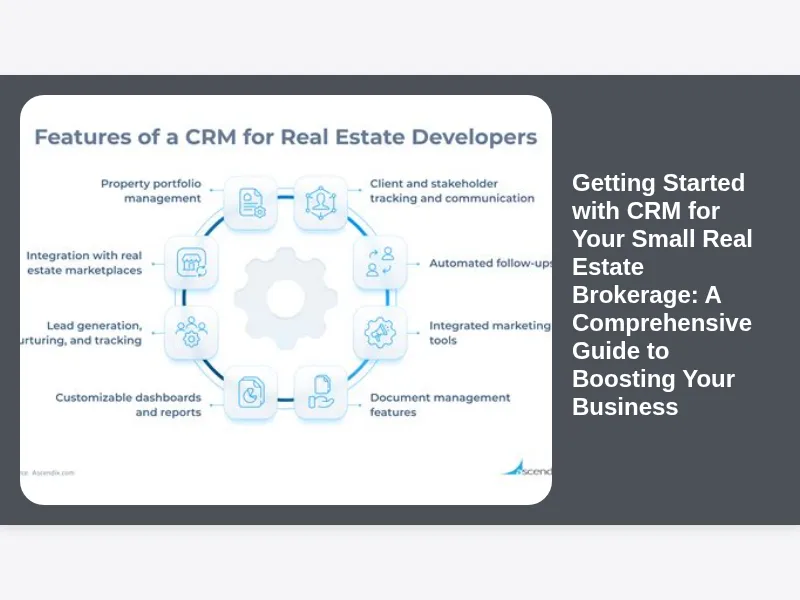
Before diving into specific products, it’s crucial to understand what capabilities a robust real estate CRM brings to the table. At its heart, a CRM is about managing relationships, but its functionality extends far beyond a simple contact list. For a small real estate brokerage, key features typically include contact and lead management, transaction tracking, communication logging, and automation tools. These components work in tandem to provide a holistic view of your client base and operational pipeline.
Beyond the basics, many CRMs offer advanced features like marketing automation, allowing you to schedule drip campaigns for new leads or past clients, and integration with other essential real estate tools like MLS systems, email platforms, and accounting software. Some even provide reporting and analytics dashboards, offering insights into lead sources, agent performance, and conversion rates. Understanding these core and extended features will help you identify what’s truly necessary for your brokerage’s unique workflow and growth trajectory.
Identifying Your Brokerage’s Specific Needs for Client Management Tools
Before you even begin researching CRM platforms, the most critical first step is an honest internal assessment of your small real estate brokerage’s current challenges and future goals. What pain points are you experiencing right now? Are leads falling through the cracks? Is client follow-up inconsistent? Are your agents spending too much time on administrative tasks rather than selling? Documenting these specific issues will help define the problem that a CRM needs to solve.
Consider your entire client lifecycle, from initial lead capture through closing and beyond. Where are the bottlenecks? What processes could be automated? Think about your team size, their tech-savviness, and the current tools they use. For instance, if your team is already comfortable with a particular email provider, a CRM that integrates seamlessly might be a higher priority. A clear understanding of your current state and desired future state will serve as a powerful compass throughout the CRM selection journey.
The Initial CRM Research Phase: Exploring Your Options for Lead Management
Once you have a clear picture of your brokerage’s needs, it’s time to embark on the initial research phase. This isn’t about committing to a specific product yet, but rather about exploring the landscape of available CRM solutions and understanding the general offerings. Start by looking at CRMs specifically designed for real estate, as they often come with built-in features and terminology that align perfectly with your industry.
Utilize online review sites, industry publications, and forums to gather initial impressions and user experiences. Pay attention to CRMs that are frequently recommended for small businesses or real estate professionals. Don’t be afraid to cast a wide net initially, as you’re simply trying to get a feel for what’s out there. This exploratory phase will help you compile a shortlist of potential candidates that warrant a deeper dive, ensuring you consider a range of solutions for your specific operational needs.
Key Considerations When Choosing a CRM for Agent Productivity Software
Selecting the right CRM is a significant investment, not just in money, but in time and effort. Therefore, several key considerations must guide your decision for agent productivity software. First and foremost is ease of use. If the system is too complex or difficult to navigate, your agents won’t adopt it, rendering the investment useless. Look for intuitive interfaces and straightforward workflows that minimize the learning curve.
Scalability is another critical factor. Even if you’re a small brokerage now, you likely have ambitions for growth. Will the CRM accommodate more agents, more leads, and more complex operations as your business expands? Furthermore, consider integration capabilities. A CRM that can connect with your MLS, email marketing tools, accounting software, and even social media platforms will create a truly unified workflow, eliminating the need for manual data entry and reducing errors. Finally, don’t overlook vendor support and training; a responsive and helpful support team can make all the difference during implementation and ongoing use.
Specialized Real Estate CRMs Versus Generalist Solutions
When navigating the CRM market, you’ll encounter two primary categories: specialized real estate CRMs and generalist CRMs. Each has its own set of advantages and disadvantages for a small real estate brokerage. Specialized real estate CRMs are built from the ground up with the unique needs of agents and brokers in mind. They often come pre-configured with industry-specific fields, workflows for property listings, transaction management stages, and integrations with real estate-centric tools like MLS systems.
On the other hand, generalist CRMs like Salesforce, HubSpot, or Zoho CRM are highly customizable and powerful, capable of being adapted to nearly any industry. While they offer immense flexibility, configuring them for real estate requires more upfront effort and potentially hiring a consultant. The trade-off is often between out-of-the-box convenience and deep customization potential. For many small brokerages getting started with CRM for your small real estate brokerage, a specialized solution often provides a faster path to value with less initial setup headache, offering features directly relevant to their daily operations.
Budgeting for Your CRM Investment and Understanding Real Estate Tech Solutions Costs
Understanding the financial commitment required for a CRM is paramount for any small real estate brokerage. CRM costs can vary widely depending on the provider, the number of users, and the features included. Most CRMs operate on a subscription model, typically billed monthly or annually per user. It’s essential to look beyond the advertised per-user price and consider the total cost of ownership.
Factor in potential setup fees, data migration services, and any additional integrations or customizations that might incur extra charges. Don’t forget about the indirect costs, such as the time your team will spend on training and adapting to the new system. While it’s tempting to opt for the cheapest solution, remember that a low-cost CRM that doesn’t meet your needs or isn’t adopted by your team is a wasted investment. View a CRM as an investment in your brokerage’s future efficiency and profitability, rather than just another expense, ensuring you allocate appropriate resources for these essential real estate tech solutions.
The Implementation Journey: From Selection to Launch for Your Brokerage Efficiency
Once you’ve made the crucial decision and selected the ideal CRM for your small real estate brokerage, the next phase is implementation. This journey involves several critical steps to ensure a smooth transition and successful adoption. It’s not simply about signing up; it’s about strategically integrating the new system into your existing workflows. The first step typically involves initial setup and configuration, which includes setting up user profiles, customizing fields, and defining pipelines that mirror your brokerage’s specific sales process.
Beyond the technical aspects, successful implementation also requires clear communication and change management within your team. Announce the new CRM, explain its benefits, and set clear expectations. Designate a CRM champion or project manager who can oversee the process, answer questions, and act as a liaison with the CRM provider’s support team. A well-planned implementation minimizes disruptions and sets the stage for high user adoption, directly contributing to overall brokerage efficiency.
Data Migration Strategies for a Smooth Transition
One of the most daunting aspects of getting started with CRM for your small real estate brokerage is often the data migration process. Moving existing client data, leads, property information, and communication history from disparate sources like spreadsheets, email clients, or older systems into your new CRM requires careful planning and execution. A smooth data migration is crucial to ensure data integrity and to prevent any loss of valuable client information, which could cripple your operations.
Start by auditing your existing data. Identify what information is essential to migrate, clean up any outdated or duplicate records, and standardize formats. Most CRMs offer tools or guidance for importing data, often through CSV files. Some providers may even offer professional data migration services for a fee, which can be a wise investment for complex datasets. Test your migrated data thoroughly to ensure everything has transferred correctly and is accessible as expected. This meticulous approach will save countless headaches down the line and allow your team to hit the ground running with accurate information.
Training Your Team on the New CRM System for Enhanced Agent Productivity
A CRM system, no matter how powerful or perfectly chosen, is only as effective as the team members who use it. Therefore, comprehensive training is non-negotiable for successful adoption and to truly unlock enhanced agent productivity. Don’t assume your agents will intuitively grasp the system; provide structured and ongoing training tailored to their roles and daily tasks. Start with the basics: how to log in, add new contacts, log activities, and navigate their dashboards.
As your team becomes more comfortable, introduce more advanced features relevant to their workflow, such as setting up automated tasks, managing pipelines, or utilizing reporting functions. Leverage the CRM provider’s training resources, which often include video tutorials, user guides, and webinars. Consider holding regular Q&A sessions or creating an internal knowledge base. The goal is to empower your agents, making them feel confident and proficient, so they view the CRM as a tool that simplifies their work rather than adding to it.
Integrating CRM with Existing Real Estate Tools for Seamless Workflows
For your small real estate brokerage, the true power of a CRM often lies in its ability to integrate seamlessly with your existing suite of real estate tools. You’re likely already using an MLS system, email marketing platforms, digital signage, and possibly even virtual tour software. A CRM that acts as a central hub, connecting and exchanging data with these disparate systems, creates an unparalleled level of operational efficiency and consistency.
Look for CRMs that offer direct integrations or connect via third-party integration platforms like Zapier. Common integrations include syncing contacts with your email client, pushing new leads from your website or social media directly into the CRM, connecting with your MLS for property data, and automating email drip campaigns based on CRM triggers. These integrations eliminate redundant data entry, ensure information is always up-to-date across all platforms, and provide a holistic view of your client interactions, making your daily workflows more fluid and productive.
Measuring Success and ROI of Your CRM for Client Relationship Management Tools
Implementing a CRM is a significant investment, and for a small real estate brokerage, it’s crucial to measure its return on investment (ROI). How will you know if your new client relationship management tools are truly making a difference? Start by defining key performance indicators (KPIs) before implementation. These might include lead conversion rates, agent response times, client retention rates, the average time to close a deal, or the overall revenue generated per agent.
Most CRMs come with built-in reporting and analytics dashboards that allow you to track these metrics over time. Regularly review these reports to assess the CRM’s impact. Are your conversion rates improving? Are agents spending less time on administrative tasks and more time on client-facing activities? Are clients receiving more timely and personalized communications? By consistently measuring these outcomes, you can demonstrate the tangible value of your CRM, justify its cost, and identify areas for further optimization to maximize its effectiveness.
Overcoming Common Challenges in CRM Adoption for Brokerage Efficiency
Even with the perfect CRM and thorough training, small real estate brokerages can encounter challenges during the adoption phase. One of the most common hurdles is user resistance. Agents, accustomed to their old ways of working, might view the new CRM as an additional burden rather than a beneficial tool. This resistance can lead to inconsistent data entry, partial usage, or even complete abandonment, undermining the entire investment and hindering brokerage efficiency.
To overcome this, leadership must actively champion the CRM, demonstrating its value and leading by example. Provide ongoing support, answer questions patiently, and address concerns openly. Celebrate small victories and highlight how the CRM is saving time or improving client interactions for individual agents. Another challenge can be data quality. If agents aren’t diligent in entering accurate and complete information, the CRM’s effectiveness diminishes. Implement clear data entry standards and conduct regular audits to maintain data integrity. Consistent encouragement, support, and clear communication are vital to fostering a culture of successful CRM adoption.
Advanced CRM Strategies for Growth: Beyond the Basics for Real Estate Brokerages
Once your small real estate brokerage has successfully implemented its CRM and your team is comfortable with the basics, it’s time to explore advanced strategies to leverage the system for accelerated growth. A CRM isn’t just for managing contacts; it’s a powerful engine for strategic expansion. Consider implementing more sophisticated marketing automation campaigns, segmenting your client database for highly targeted communications, or creating specialized workflows for different types of leads, such as buyers, sellers, or investors.
Advanced use might also involve integrating the CRM with predictive analytics tools to identify potential churn risks or opportunities for cross-selling. Utilize its reporting capabilities to conduct deeper analyses of agent performance, lead sources, and market trends. By continually refining your CRM usage, you can move beyond simple contact management to proactive client engagement, data-driven decision-making, and truly scalable growth strategies that keep your brokerage competitive and thriving in the dynamic real estate landscape.
Security and Data Privacy in Real Estate CRM: Protecting Sensitive Information
In the real estate industry, you handle an immense amount of sensitive client data, from financial information to personal details. Therefore, when getting started with CRM for your small real estate brokerage, security and data privacy must be paramount considerations. You are not only protecting your clients’ trust but also adhering to various data protection regulations (e.g., GDPR, CCPA, state-specific laws). A data breach can be catastrophic for a small business, leading to financial penalties, reputational damage, and loss of client confidence.
Choose a CRM provider that prioritizes robust security measures. Look for features such as data encryption (both at rest and in transit), regular security audits, multi-factor authentication for user access, and strict access controls based on user roles. Understand where your data is stored and the provider’s data retention and backup policies. Ensure the CRM complies with relevant industry standards and privacy regulations. Educate your team on best practices for data security, including strong password policies and recognizing phishing attempts, to create a comprehensive defense against potential threats.
Future-Proofing Your Brokerage with CRM: Staying Ahead with Real Estate Tech Solutions
The real estate market is constantly evolving, driven by technological advancements and changing client expectations. Implementing a CRM isn’t just about solving today’s problems; it’s about future-proofing your small real estate brokerage and positioning it for sustained success. A well-chosen CRM acts as a flexible and scalable foundation upon which you can build future strategies and adapt to market shifts. By centralizing data and automating processes, you create a nimble operation capable of responding quickly to new opportunities and challenges.
Consider CRMs that regularly update their features, embrace emerging technologies like AI and machine learning for predictive insights, and offer open APIs for custom integrations. This ensures your investment remains relevant and continues to provide value as the tech landscape transforms. By consciously selecting real estate tech solutions that are forward-thinking, your brokerage can stay ahead of the curve, continuously optimize client experiences, and maintain a competitive edge for years to come, ensuring long-term viability and growth.
The Power of Automation in Real Estate CRM: Saving Time and Enhancing Client Care
One of the most transformative aspects of a real estate CRM for a small brokerage is its ability to automate repetitive tasks, thereby saving agents valuable time and enhancing client care. Think about the myriad of routine activities that consume an agent’s day: sending follow-up emails, scheduling appointments, setting reminders for calls, or sending out property updates. Manually performing these tasks is not only time-consuming but also prone to inconsistencies and errors.
CRM automation features can handle these duties seamlessly. You can set up drip campaigns for new leads, automatically sending a series of personalized emails or texts at predefined intervals. The system can remind agents to call clients on their birthday or anniversary of their home purchase. It can even trigger specific actions based on client behavior, like sending a personalized property alert when a new listing matches their criteria. This frees up your agents to focus on high-value activities, build deeper relationships, and close more deals, while ensuring no client falls through the cracks and every interaction is timely and relevant.
Cultivating Client Relationships with CRM: Beyond Just Transactions to Client Retention in Real Estate
In real estate, transactions are important, but enduring relationships are the bedrock of long-term success. A CRM elevates your approach to client relationships, moving beyond mere transactional interactions to genuine cultivation and fostering client retention in real estate. By having a 360-degree view of every client—their preferences, past interactions, property history, and personal milestones—you can deliver highly personalized and meaningful experiences that build loyalty.
Imagine being able to send a targeted email to past clients about market trends in their specific neighborhood, or a thoughtful message remembering their child’s graduation or a special anniversary. These small, personalized touches, enabled by CRM data, make clients feel valued and remembered, transforming them into repeat customers and powerful referral sources. A CRM allows you to nurture these relationships consistently and systematically, ensuring your brokerage remains top-of-mind long after the deal is closed, creating a sustainable model of growth driven by genuine client connection.
Conclusion: Your Path to Real Estate Success Starts with CRM
Embarking on the journey of getting started with CRM for your small real estate brokerage is not merely about adopting new software; it’s about investing in a strategic tool that will fundamentally transform how you operate, manage leads, and cultivate client relationships. From understanding your core needs and navigating the myriad of options to meticulous implementation and continuous optimization, each step contributes to building a more efficient, productive, and ultimately, more profitable real estate business.
By centralizing your data, automating routine tasks, and providing invaluable insights, a well-chosen CRM empowers your agents, elevates your client service, and provides a clear pathway for sustainable growth. Don’t let the complexities of client management hold your brokerage back. Embrace the power of CRM, and unlock a future where every lead is nurtured, every client feels valued, and your small real estate brokerage thrives in an increasingly competitive market. The time to streamline your operations and enhance your client relationships is now.